

Why Is It Hard to Fall Asleep? The Neuroscience of Sleep Onset
Can't fall asleep even when tired? Learn the neuroscience of sleep onset, the two-process model, and natural solutions backed by research.
Dose rationale, mechanisms of action, protocol guides and performance research. Written for people who want to understand what they're taking — and why.
Can't fall asleep even when tired? Learn the neuroscience of sleep onset, the two-process model, and natural solutions backed by research.
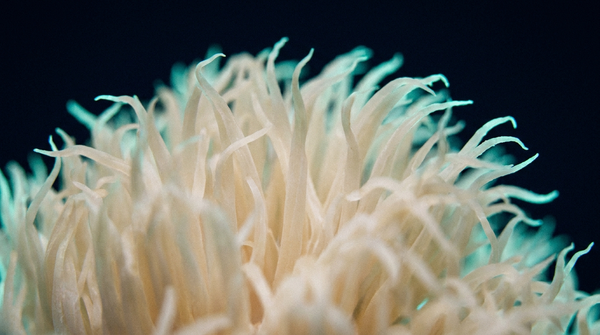
What does Lion's Mane actually do? Explore the clinical evidence on NGF stimulation, neuroplasticity and cognitive function.

Reviewing the clinical evidence on Lion's Mane, Cordyceps, Alpha GPC and L-Tyrosine for cognitive performance and energy.
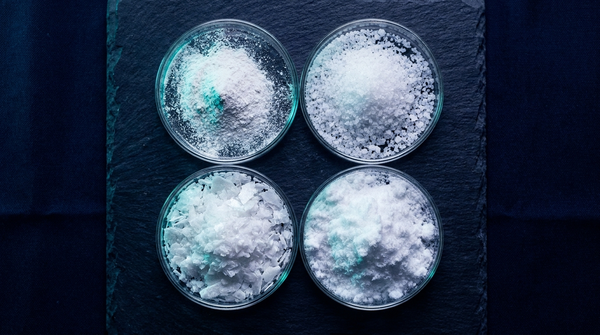
Compare magnesium glycinate, citrate, oxide and threonate for bioavailability, absorption and sleep benefits. Backed by clinical research.

KSM-66 is the most clinically studied ashwagandha extract. Learn how it reduces cortisol, supports testosterone and improves recovery.

Explore the clinical evidence behind magnesium glycinate for sleep quality, deep sleep, and cortisol reduction. PubMed-cited research.
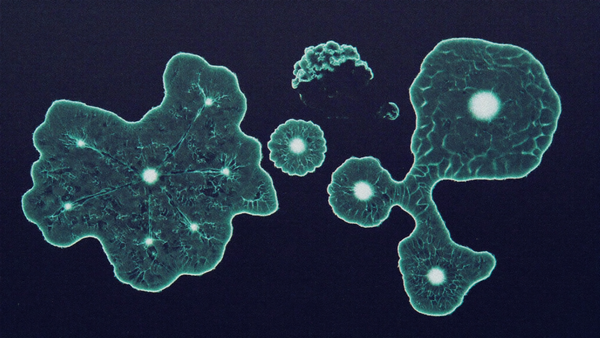
NAD+ declines by up to 50% with age, affecting energy and cellular repair. Learn the science of NAD+, NMN, resveratrol and quercetin.
Learn how combining a nightly sleep supplement protocol with a morning performance stack creates a complete 24-hour recovery system.
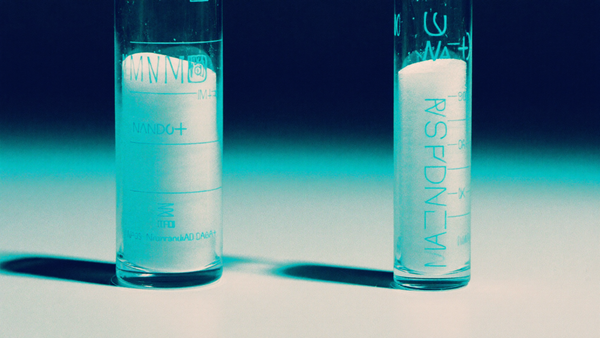
NMN is one of the most studied NAD+ precursors. Review the human RCT evidence on energy, muscle function and cellular health.

A complete guide to building a longevity supplement protocol using NMN, NAD+, resveratrol and quercetin. Evidence-based and practical.

An evidence-based guide to athlete recovery supplements covering magnesium, ashwagandha, cordyceps and reishi. Protocol and timing included.
NMN and NAD+ target the same cellular decline but work differently. Here's the science, the evidence and how to choose between them.